Estacado Brings The Darkness to PC via Xbox 360 Static Recompilation
Estacado, a static recompilation of The Darkness for PC, launches its first pre-release with high framerates and mouse look.
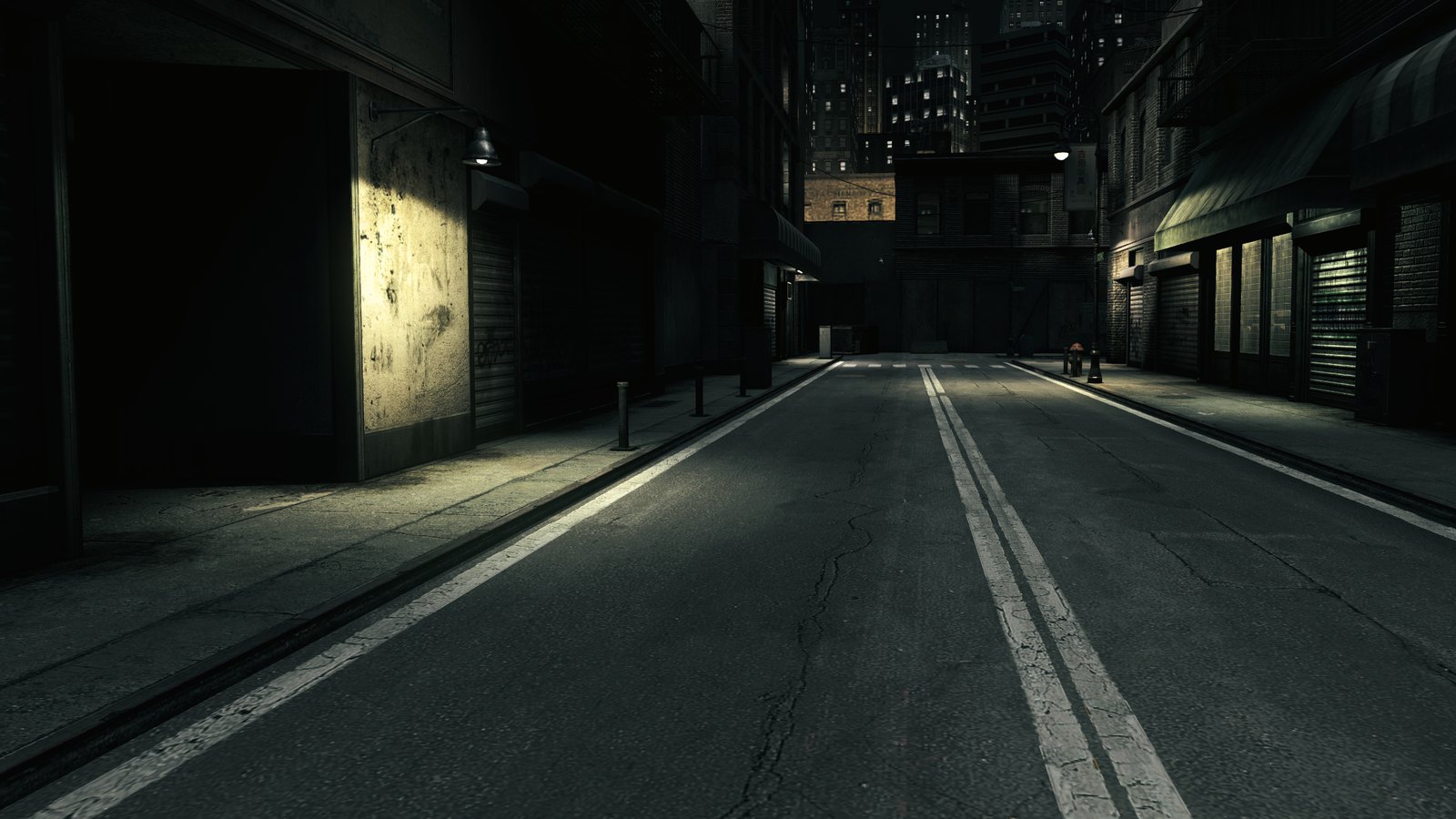
Hobbyists looking to ditch full emulation for native ports got a major win today as developer invinceble55-wq dropped the first pre-release of Estacado, a static recompilation of the 2007 Xbox 360 shooter The Darkness for Windows 10/11 PCs. If you have an AVX2 CPU, a D3D12-capable GPU, and a legal USA or Europe disc image, you can finally play Starbreeze’s gritty cult classic as a native Windows executable rather than dealing with heavy JIT interpreters.
Under the hood, the project translates the original PowerPC binary into C++ using XenonRecomp by hedge-dev, built on top of the ReXGlue SDK. While the CPU code runs natively, the console’s Xenos GPU is still emulated via Direct3D 12 layers borrowed from [Xenia]. This initial v0.9.0 build packs notable upgrades over the original console release, including uncapped framerates up to 240 FPS (with game logic pinned to its native 30 Hz tick rate), higher internal resolutions with SMAA, native mouse look, rebindable controls, an in-game settings menu via F1, and an experimental widescreen mode.
Getting it running takes a few steps:
- Grab the latest release from the Estacado GitHub releases page.
- Prepare a clean USA or Europe disc dump of The Darkness as an ISO or extracted files.
- Run the included launcher, which verifies your game version and automatically sets up the assets.
While the game has been successfully tested from the opening right up to the orphanage explosion sequence, the build remains a pre-release tested primarily on NVIDIA hardware. AMD, Intel, and Steam Deck users are encouraged to submit bug reports.
Projects like Estacado show how far static recompilation has come outside of Nintendo circles. Translating complex seventh-generation console architectures into native code used to be a pipe dream, but thanks to tooling from the [Xenia] and hedge-dev teams, we are watching a massive pivot in how preservationists tackle the Xbox 360 library. If this momentum holds, console-bound classics might finally find a permanent home on desktop hardware.