Need for Speed III: Hot Pursuit lands on Android as a native recomp, v0.77 adds widescreen races
Need for Speed III: Hot Pursuit, the 1998 PC racer, runs on Android phones via static recompilation. Version 0.77 adds widescreen races and more native code.
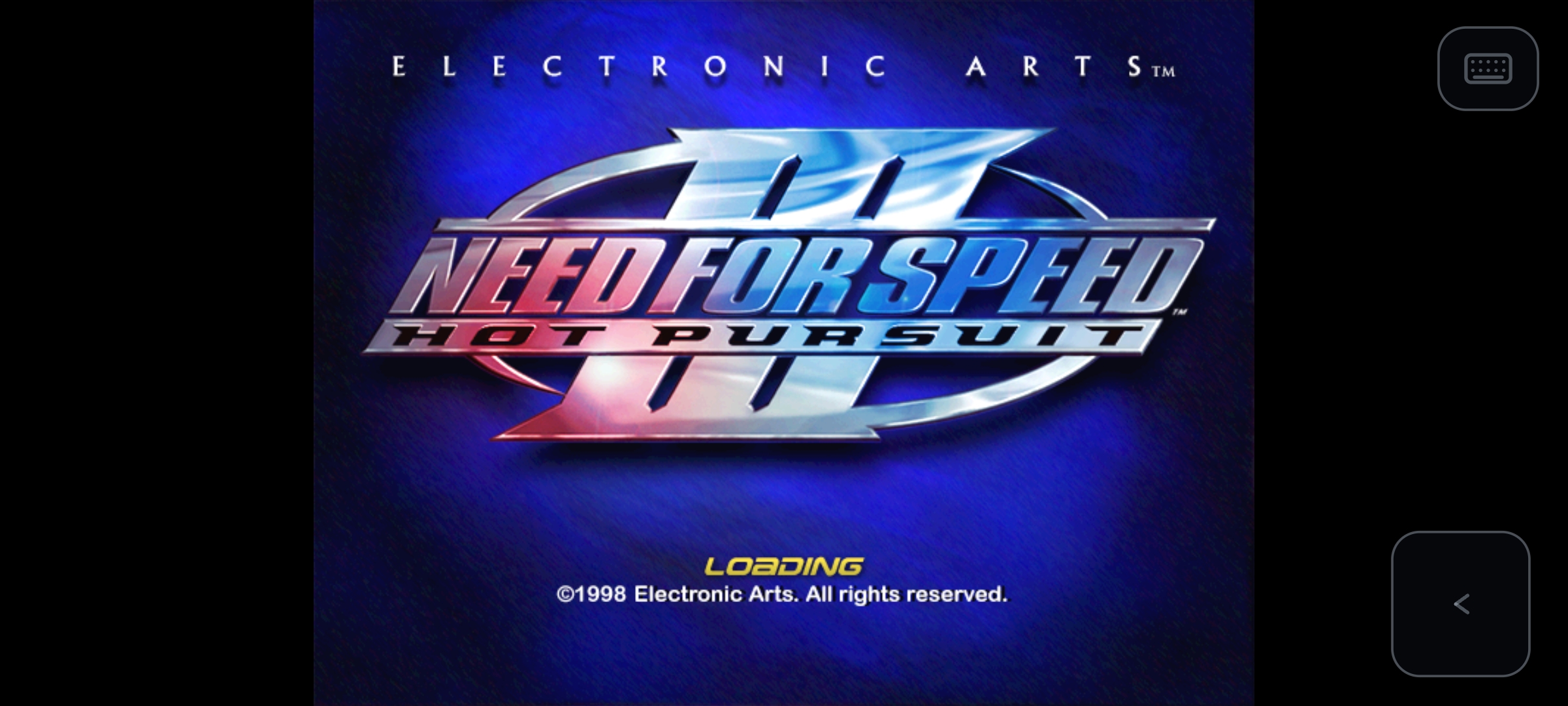
Need for Speed III: Hot Pursuit, the 1998 PC racer from Electronic Arts, runs natively on Android phones. Version 0.77 of the nfs3recompiled-android port came out on 16 October 2026.
The project is a static recompilation. The original Windows executable is translated into portable C++ ahead of time, and the game’s calls to Windows, DirectX and Glide (the graphics interface of its era) are rewritten on SDL3, a cross-platform media library, and OpenGL ES. The work builds on motor-dev/nfs-recompiled.
For players, the main change is Dynamic Fullscreen. It fits races to the shape of a phone (20:9, 16:9, tablets) with no black bars, and it is the default for new imports. Gamepads get a Digital mode, where the D-pad steers and the triggers handle gas and brake. Force feedback is now one setting (Off, Phone or Gamepad), and the Stick Volume slider finally controls vibration strength. Dead zone and saturation from the game’s own screen work too. The demo movie no longer freezes on its last frame.
Under the hood, the sound driver, the reverb mixer, the movie player, the voodoo2a graphics driver, the menus, the controls and the whole Watcom runtime (all 275 functions) are now native code. The release notes say behaviour stays the same. The softtria software renderer is gone.
To try it, you need Android 8.0 or newer, a 64-bit ARM processor and OpenGL ES 3.0. You also need your own copy of the game:
- Copy the
FEDATAandGAMEDATAfolders to the phone, or copy a disc image (ISO or BIN/CUE). - Install the app, open it and import that folder or image.
- Play.
Network races work between two phones over Wi-Fi (IPX or TCP/IP), and between a phone and a PC running the Modern Patch over TCP/IP.
My take: the interesting part is the steady swap of recompiled code for hand-written native code. Each function that moves over is one less layer to debug through. The whole Watcom runtime is now native, all 275 functions.