Dissidia 012 Duodecim Final Fantasy gets a PC port in v0.5.0 prerelease
The PSP fighting game now runs natively on Windows and Steam Deck in a new prerelease built by static recompilation.
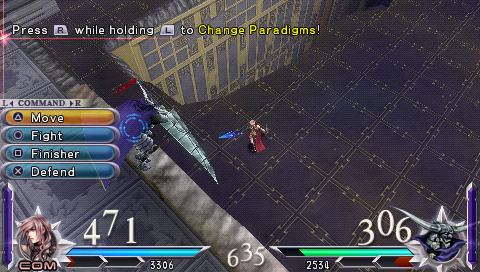
Dissidia 012 Duodecim Final Fantasy, a PSP fighting game, now has a native PC port in its v0.5.0 prerelease. The port uses static recompilation, which turns the game’s MIPS code into C++. It runs on PortableKit, a tool that re-implements the PSP kernel, system modules and a Vulkan renderer. You need your own legally obtained copy of the USA release (ULUS10566). The project ships no game data.
On Windows, the README says the game plays from New Game through the menus and battles, with no interpreter fallbacks. The port draws its own message, save-data and keyboard dialogs. It also warns to expect rough edges, and a bring-up log tracks the open problems.
On Steam Deck, the game runs through Proton as a non-Steam game. The build is made on a Windows PC with setup.ps1 -Deck, and the Windows setup has not been tried on the Deck itself. Native Linux is untested, even though PortableKit supports it.
The feature list is long. The port runs at 60 fps by frame interpolation over the game’s 30 Hz logic, at a higher internal resolution. A right stick controls the camera in battle and on the world map, and R3 recentres it. World map movement is analog now, not the original eight directions. Local split-screen versus works with two controllers on one PC. Online versus is marked experimental: one-on-one battles over the internet through the game’s own Communication Mode.
A mod folder accepts battle tracks in MP3, Ogg Vorbis, Opus, FLAC, WAV, or BRSTM, BCSTM and BFSTM with their own loops. A BGM playlist on the loading screen picks tracks by series. The Battle BGM Maker has a loop editor and can also make a copy of your ISO with the new tracks added, for PPSSPP or a PSP. HD texture packs use PPSSPP’s format, and a menu option dumps the game’s textures to start one.
The matching decompilation rebuilds the decrypted executable and its three overlays byte for byte with the original compilers. A few hundred functions are matching C so far, and most of the game is still machine code. The port can swap in decompiled C where an enhancement needs it.
To try it on Steam Deck:
- Get a legal USA copy of ULUS10566.
- Read docs/port/steam-deck.md in the repo.
- Run setup.ps1 -Deck on a Windows PC.
- Add the result to Steam as a non-Steam game and launch it through Proton.