Super Street Fighter II Turbo HD Remix gets a native Windows PC port
A fan static recompilation of the Xbox 360 XBLA game runs natively on Windows. Linux and Steam Deck support is experimental. You need your own copy.
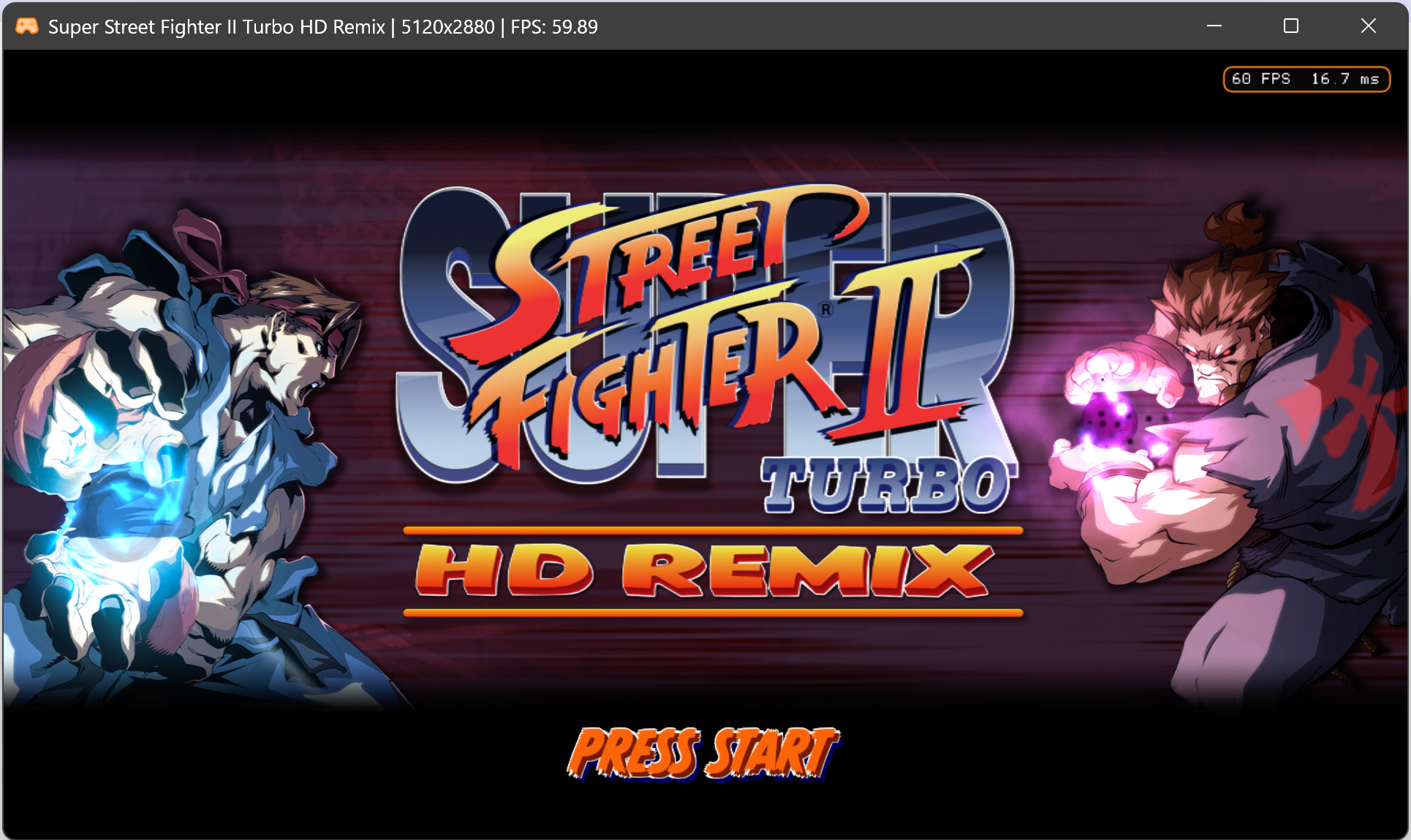
Super Street Fighter II Turbo HD Remix, the Xbox 360 Xbox Live Arcade (XBLA) edition of the Capcom fighter, now runs natively on Windows. saulob released v0.1.0 on October 18 as the first public build of the PC port. It is a static recompilation: the original game code is translated into native PC code with the ReXGlue SDK. The author says there’s no emulator involved.
The release ships with the TRG launcher, which installs your own game package and checks it against the exact version. You get Windowed or Borderless Fullscreen (F11), render resolution from 720p up to 4x (5120x2880), Letterbox or Stretch presentation, five languages, and an Xbox controller that works without setup. The game still runs at its original 60 updates per second. Saves work as on the console. Achievements stay on your PC, and F7 shows them in game.
You need Windows 10 or 11 (64-bit), a DirectX 12 graphics card, and the Microsoft Visual C++ 2015-2022 Redistributable (x64). The game isn’t in the download, so bring your own XBLA package with Title ID 584108A4 and game version 0.0.1.3. The launcher checks the Title ID and default.xex, and it tells you if your version is different.
To try it:
- Unzip SSF2THDRemix-v0.1.0-windows-x64.zip anywhere you can write to and run ssf2t_hd_remix.exe.
- On the launcher’s Play page, click Install from package… and pick your package.
- Wait for Ready to play, then press PLAY.
The game is offline only. The four achievements that need online ranked matches can’t be earned. The program isn’t code-signed, so SmartScreen may show a warning the first time.
The Linux AppImage and Steam Deck support are experimental. The author built it and checked it by script only, and has not run it on real Linux or Steam Deck hardware yet. If you have one of those machines, open a GitHub issue and attach the newest ssf2t_hd_remix_*.log from the logs folder, with a line about what you did.